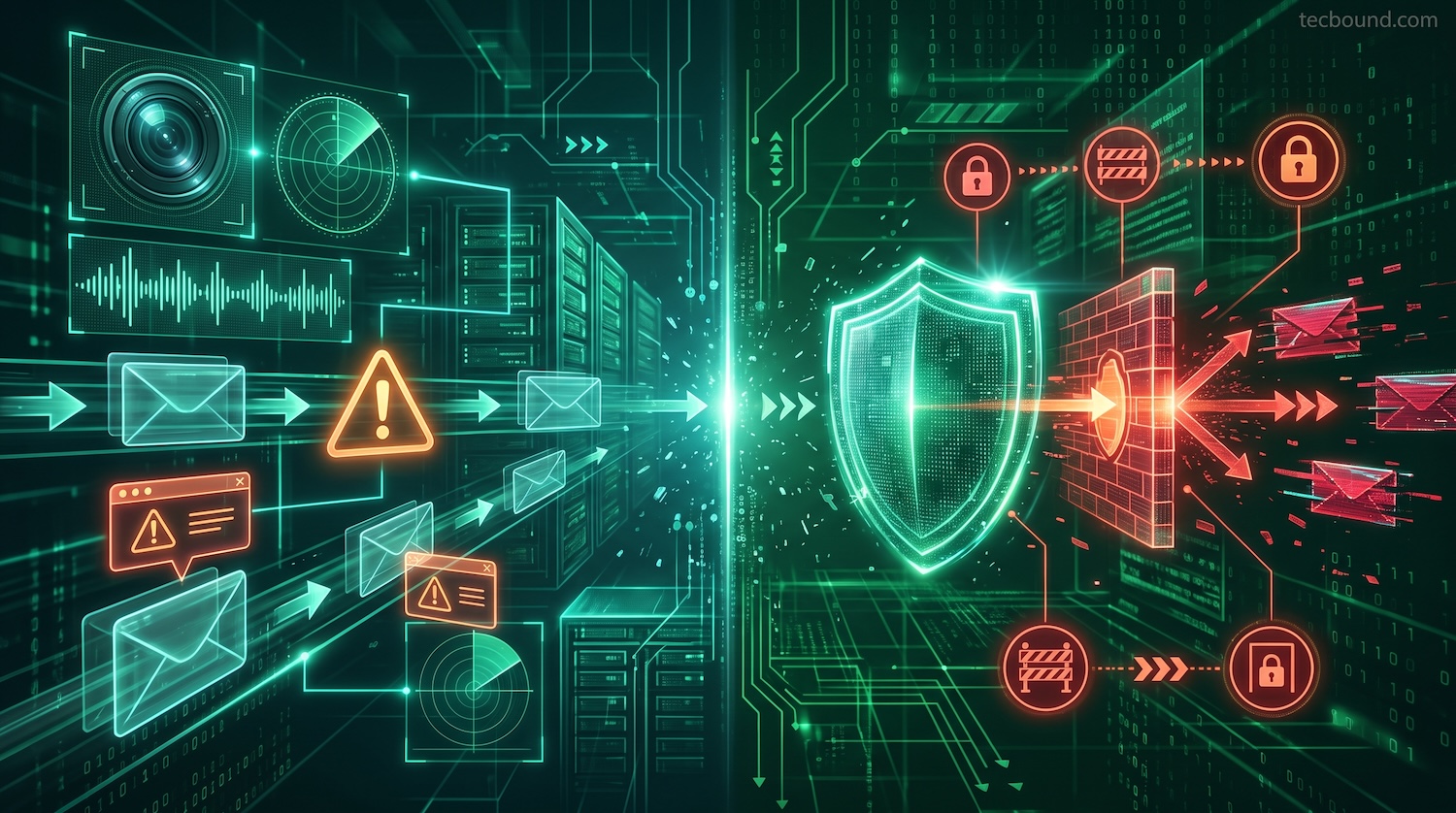
Cybersecurity is the practice of protecting systems, networks, and data from threats such as unauthorized access attempts, attacks, and data breaches. Cybersecurity encompasses protection against both online and offline threats to these systems and addresses everything from viruses to phishing scams.
The Importance of Cybersecurity in the Digital Age
Every year, digital infrastructure becomes increasingly important for businesses. Protecting these systems is crucial and urgent for all companies, which must consider it an integral part of their daily operations.
Today, numerous organizations, regardless of company size or industry, are exposed to threats to their electronic systems, and these threats vary in volume.
Good cybersecurity can protect various aspects of a business, such as confidential information, keeping vital systems running, and helping to maintain customer confidence that the company is safe and trustworthy.
With the rise of remote work and cloud computing, the potential avenues for cyberattacks have expanded. For most businesses, cybersecurity has become non-negotiable. Protecting your business is essential.
Cybersecurity is a multi-layered approach that includes the following elements:
Each of these plays a fundamental role in creating a resilient cybersecurity framework. We will analyze them one by one to understand why they are important.
Application security refers to the measures and practices implemented to protect software applications from external threats during their development and use. For many people, it will be the first thing they think about when it comes to cybersecurity.
These can expose confidential data, disrupt services, or allow unauthorized access to the application.
During development, application security can be best maintained with:
Each of these strategies can help detect and mitigate vulnerabilities in the early stages of the development life cycle.
Network security focuses on protecting an organization’s network infrastructure against unauthorized access, misuse, or theft. This includes both its internet access and any internal network used by the company. A secure network is essential for maintaining the integrity and confidentiality of data transmitted between devices.
Each of these threats has the potential to paralyze a network, causing data loss or service interruptions.
There are several different ways to defend against network threats, such as:
In addition, regular network monitoring and segmentation can protect sensitive data through isolation.
An endpoint is any “terminal” on a network, such as a desktop computer, laptop, server, or smartphone. All of these need security, especially when working remotely on endpoints at home or while traveling.
One of the main challenges in endpoint security is managing the variety of devices connected to the corporate network. Each device is vulnerable to malware, phishing attacks, and data theft.
Endpoint security solutions include:
A strict policy on device use and employee training can also help minimize risks.
Encryption converts data into an unreadable code that can only be decrypted with the correct decryption key. It is one of the most effective ways to protect confidential information and is used in various cybersecurity applications.
The most common encryption algorithms include:
Each algorithm offers different levels of security and performance, and the variety of algorithms helps to maintain high security levels across the board.
Encryption can be used in many circumstances, such as:
Implementing strong encryption practices helps ensure the confidentiality and integrity of data across all locations and applications that use sensitive data.
Authentication is the process of verifying the identity of a user or device before granting access to a system. It constitutes the first line of defense, as it only allows authorized users to access the system.
Common authentication methods include:
Each method offers different levels of security depending on the sensitivity of the information to be protected.
Multi-factor authentication (MFA) adds an extra layer of security by requiring multiple forms of verification, such as a password and a one-time code sent to a mobile device.
It significantly reduces the risk of unauthorized access.
Incident response refers to an organization’s approach to addressing and managing a cybersecurity breach. It begins with a layer of automated procedures, followed by urgent decisions that system and security experts must make within the next few hours.
A well-structured incident response plan means handling the situation efficiently, minimizing damage, and containing the threat quickly.
An excellent incident response plan typically includes:
Having a clear plan ensures that all stakeholders know their roles during a cyberattack and can execute it quickly and effectively in unison.
Security awareness training educates all employees who use the systems about cybersecurity threats and best practices.
However much can be done from the technological side, human error remains the primary cause of security breaches, and attempts to gain access to the network are often made by deceiving employees or exploiting poor authentication methods on their part.
Topics that are often covered include:
Effective training can be provided through regular workshops, online courses, and even phishing attack simulations. Employees should be incentivized during this training to ensure their participation.
Risk management involves identifying, assessing, and prioritizing risks to minimize the impact of potential security threats. A proactive risk management strategy helps allocate resources efficiently to minimize losses in the event of a breach.
Common frameworks for risk management include NIST and ISO 27001. These frameworks provide structured approaches to identifying and managing risks effectively, offering excellent guidance suitable for most business needs.
Cybersecurity compliance refers to adhering to laws and regulations designed to protect data and systems. It also ensures that security standards are met to avoid legal and financial repercussions.
Common regulatory frameworks include GDPR, HIPAA, and PIPEDA in Canada. These frameworks require specific security practices to protect personal and confidential information.
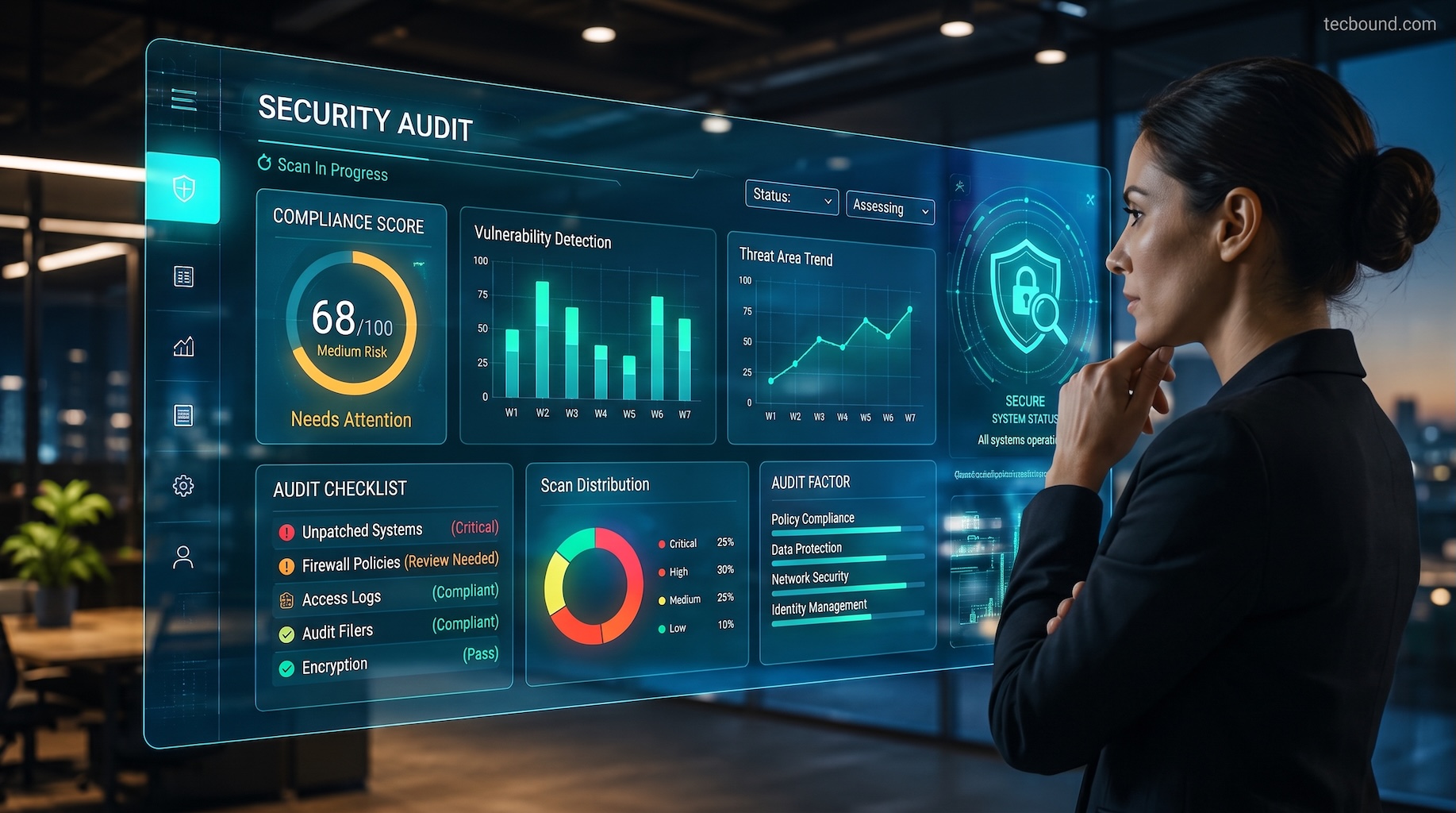
Compliance challenges include keeping up with evolving regulations and implementing necessary measures. Solutions include regular audits, automated compliance tools, and working with cybersecurity experts.
From application and network security risks to having an excellent incident response team on your side, risk management and regulatory compliance also become important factors in plugging the holes left by human folly.
Each element is a brick in the resilient wall of defense against cyber threats.
Finally, as technology evolves, so do the threats. Organizations must be vigilant and prepared to update and adapt their cybersecurity strategies to anticipate potential risks before they become a problem.
That’s why investing in comprehensive cybersecurity solutions like those from https://tecbound.com/es/servicios-de-ciberseguridad-seguridad-de-red/ helps ensure the long-term success of every company we work with.
Suscríbete gratis y evita que tu empresa sea la próxima víctima.