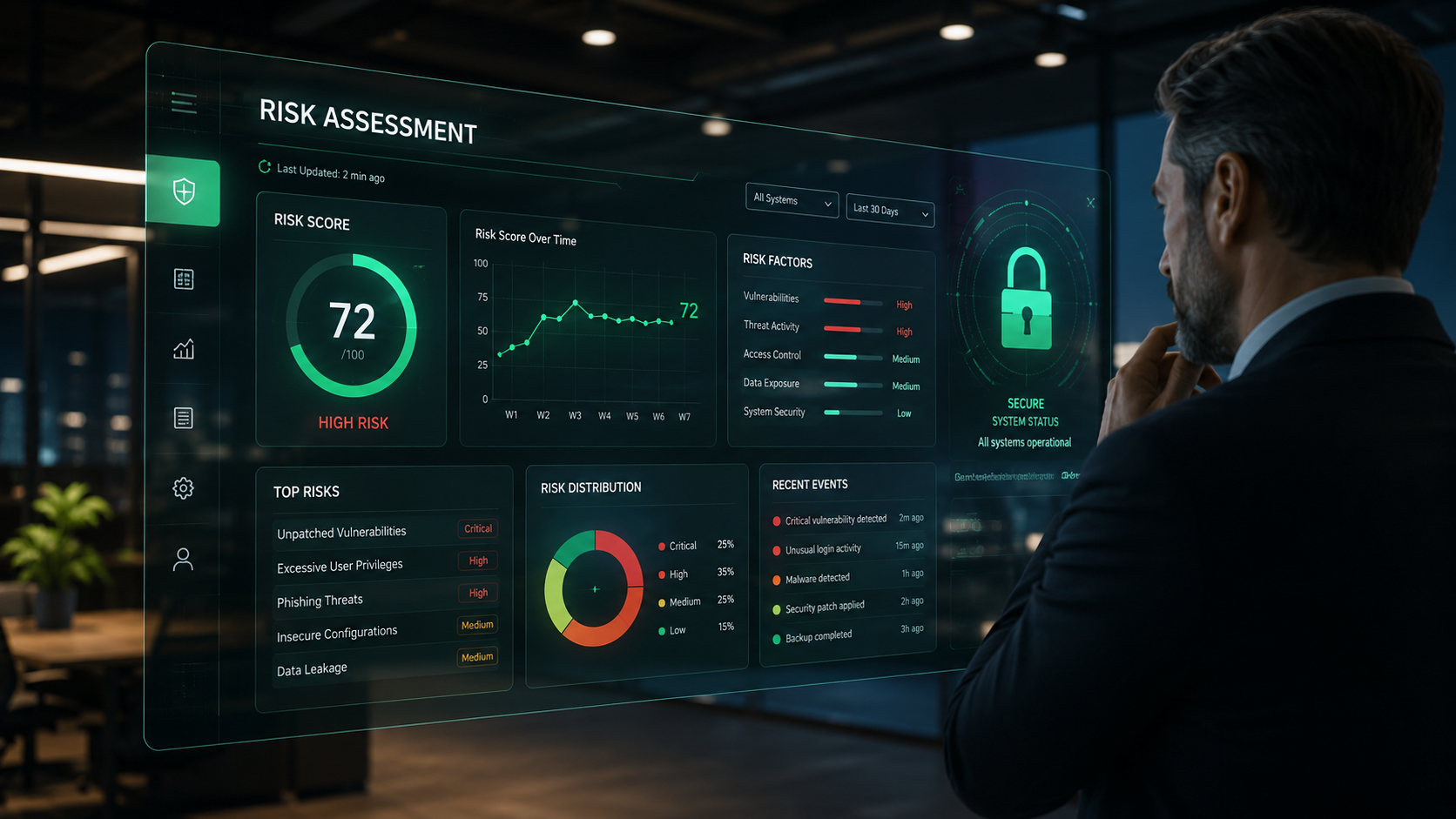


On July 19, 2024, a single bad update from CrowdStrike took out 8.5 million Windows systems. Airplanes had to be grounded, hospitals scrambled back to analog methods, and banks froze accounts until the situation could be sorted out. Overall, the damage to Fortune 500 companies was estimated to be in the range of $5.4 billion from this one bad day in cybersecurity.
This is exactly why IT resilience is so important. In particular, it’s an organization’s ability to take a hit and adapt when certain IT systems are compromised or go down. Let’s look at it more closely.
Estimates operate differently for different organizations. On average, when a mid-sized firm experiences downtime, it costs more than $300,000 per hour. Large enterprises? $1 million to $5 million. While it might seem more absorbable for small businesses, the opposite is actually true, as their thin margins get hit proportionally harder.
The BCI’s 2025 report shows 45.5% of organizations now treat resilience as a standalone function, up from 39.4% in 2023. Over time, more and more companies are realizing the critical importance of this operation.
There’s some confusion among these three related abilities for dealing with IT crises.
BCP is the big picture: people, processes, facilities, technology. Think of it this way: “If something goes wrong, how does the whole organization keep running?”
DR is narrower. It’s the technical playbook for restoring IT systems, built around Recovery Time Objective (RTO) and Recovery Point Objective (RPO).
BCP is the broadest framework. DR is the recovery plan inside it, and IT resilience cuts across both, building disruption tolerance into your systems so you’re not just reacting after things go sideways.
BCP is the strategy, DR the tactical response, IT resilience the engineering mindset holding it together. Treat them as silos, and your plans will look great in a binder but fall apart under real pressure.
Speaking of which, as of December 2025, ransomware attacks have claimed the systems of 814 organizations, according to GuidePoint Security tracking. Human error is commonly at fault for these major failures, while natural disasters, supply chain issues, and cloud outages fill in the rest.
Organizations with tested plans recover 2.5 times faster from disasters, and 81% say that these efforts helped maintain customer trust through disruptions. Businesses also report substantially lower recovery costs and better compliance follow-ups.
For most small to mid-sized organizations, the requirements for robust IT resilience: 24/7 monitoring, tested DR, and security staff in-house, are just too much. That’s where a managed service provider can help.
There are a few different best practices you can expect: updating plans every time infrastructure changes; completing tabletop exercises every quarter; automating failover where possible; and keeping up-to-date recovery docs.
One example of a company that didn’t have the IT resilience it required is Delta Air Lines. They filed a $500 million lawsuit against CrowdStrike after the July 2024 breach, taking days longer to recover than their competitors. Just having some written plans didn’t save them – they needed more robust defences and strategies.
The BCI reports 95% of organizations are shifting toward “incident-agnostic” planning, preparing for effects regardless of cause. This is a powerful, cost-effective measure that focuses on solutions rather than getting bogged down in the endlessly changing and emerging new problems. AI-powered threat detection is becoming standard, as its adaptability, value, and speed are its powerful first-line safeguards.
IT resilience is the broader ability to withstand disruptions. DR is particularly about restoring systems after failure.
Downtime costs most organizations over $300,000 per hour. Resilience protects revenue, reputation, and compliance.
Geographic redundancy, automatic scaling, and built-in failover. Replicating that on-premises gets expensive fast.
Backups, high availability, network redundancy, cloud integration, monitoring, and cybersecurity.
Twice a year minimum. Regulated industries should go quarterly.
Healthcare, finance, manufacturing, and government carry the most risk. But if your business runs on technology, you need a resilience strategy.
Get A FREE Subscription To Weekly Cybersecurity Tips So Your Company Doesn’t Become The Next Victim.