
Tablets have replaced clipboards. Sign-ins via email and computer systems are standard, and all accounting, invoicing, and orders are handled electronically. It’s 2026, and all companies now have a baseline level of technology they leverage in their day-to-day operations.
Poor IT support can cause real problems in the workflow of contracts, orders, and payroll, among other things. It’s no longer something companies can afford to leave on the back burner.
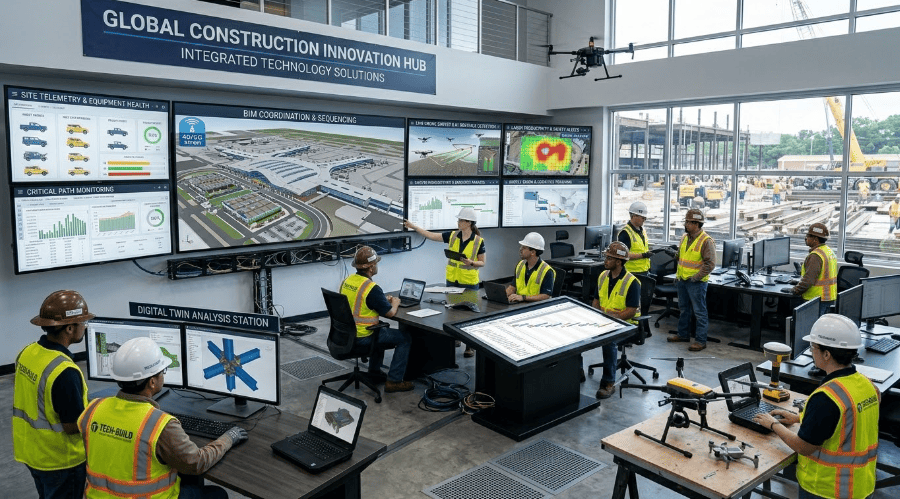
Construction IT support refers to the technological support a construction company uses to run its computer and network infrastructure. Generally, this includes project management software and platforms, field-to-office data, BIM software, cloud storage for projects, device management for things like smartphones and tablets for the crews, and cybersecurity infrastructure.
There’s nothing especially different; it’s just that construction companies have traditionally had less computer infrastructure and so are ‘newer’ to the needs of IT support. The specifics needed for the industry include office network setup, IT support for moving construction sites and trailers, and crew devices. In particular, connectivity in rural areas or areas without wifi, durable devices, and mobile-first workflows are specific differences in construction IT support.
A good construction IT provider covers the full stack, that is, all the different devices you use. Something like this:
You can instantly sync daily logs, RFIs, and progress photos between the field and office. No more chasing foremen for updates.
When everyone is working with the same information pool, you get far fewer expensive errors from revisions that do not reach everyone.
Paying out invoices and payroll also gets easier, with better digital tracking and automated billing.
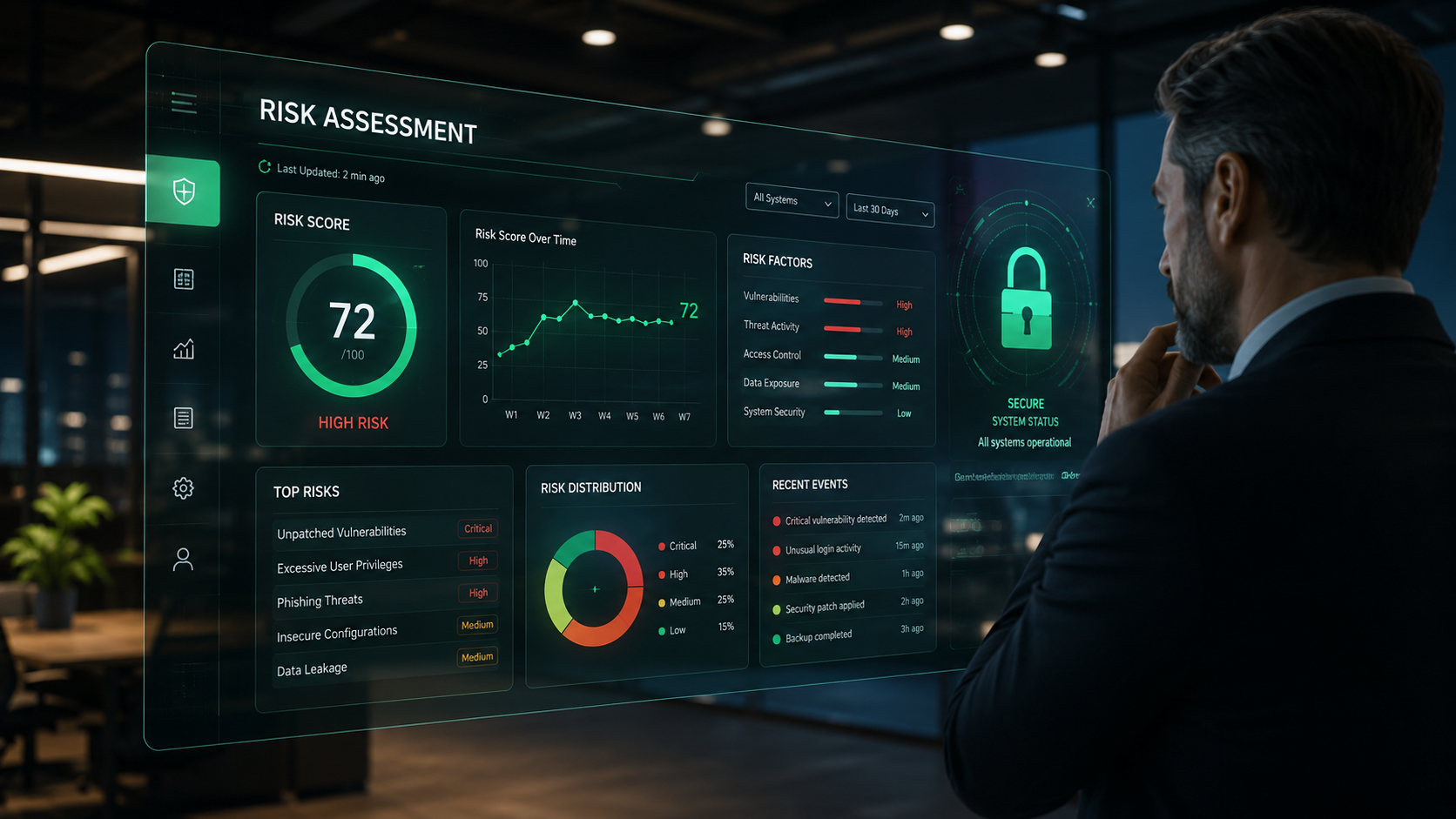
Cybersecurity is a big one; you can feel safer about client data and blueprints with stronger security.
With modern cloud infrastructure, scaling your projects and business is easy. You don’t need to worry about getting new systems, but you can add or subtract cloud storage at will.
Strong IT support can help win contract bids. This is because the digital polish allows for things like detailed 4D schedules, clear auditing, and live cost dashboards, all things clients really like.
McKinsey research pegs productivity gains from digital transformation in construction at 14 to 15 percent, with cost reductions of 4 to 6 percent. When two bids are close on price, the firm with better project controls almost always wins.
Break-fix models cost more long-term and guarantee downtime. A managed service can fix problems before they break things, keeping your uptime high.
Construction rarely operates on a 9-to-5 schedule, so neither should your coverage.
A good provider manages and treats your tech stack like a capital asset, with a roadmap that scales with your growth targets.
There are also some exciting pieces of tech on the near horizon for construction IT, drones that better survey sites, more AI-powered software for design, visualization, and confirmation, and better digital twins for faster iteration and changes.
Per Construction Dive’s coverage of McKinsey’s 2024 labour report, firms using cobots and automation have seen productivity gains of up to 40 percent on specific tasks. The gap between early adopters and those lagging is growing.
It’s much better if the IT provider has worked with a few construction companies beforehand. Generic MSPs are fine too, but might lack extensive tools for the IT industry. This results in communication gaps and missing pieces of the best IT support.
You want an IT support provider that understands BIM workflow, knows the main project management suites construction companies use, and has experience installing job sites with proper connectivity.
What we’re seeing is that the next five years will involve more use of AI in project planning, more autonomous equipment, and more fully connected job sites. Those who start developing their IT infrastructure today will be better prepared to take advantage of these changes as they arrive.
Construction is a thin-margin business. Even a single week of lost work can have a small company scrambling for months. The right IT support keeps the crew building, data flowing, and new contracts coming in. That’s a real advantage when more and more construction companies are competing with IT support at their back.
Get A FREE Subscription To Weekly Cybersecurity Tips So Your Company Doesn’t Become The Next Victim.